
Daily Weird News Report
A single injection of a nanoparticle-based treatment was enough to produce measurable behavioral improvements in mice with signs of Alzheimer’s-like neurodegeneration, according to reporting by New Atlas. The researchers also reported results after two injections, including higher neuron density in the animals’ brains.
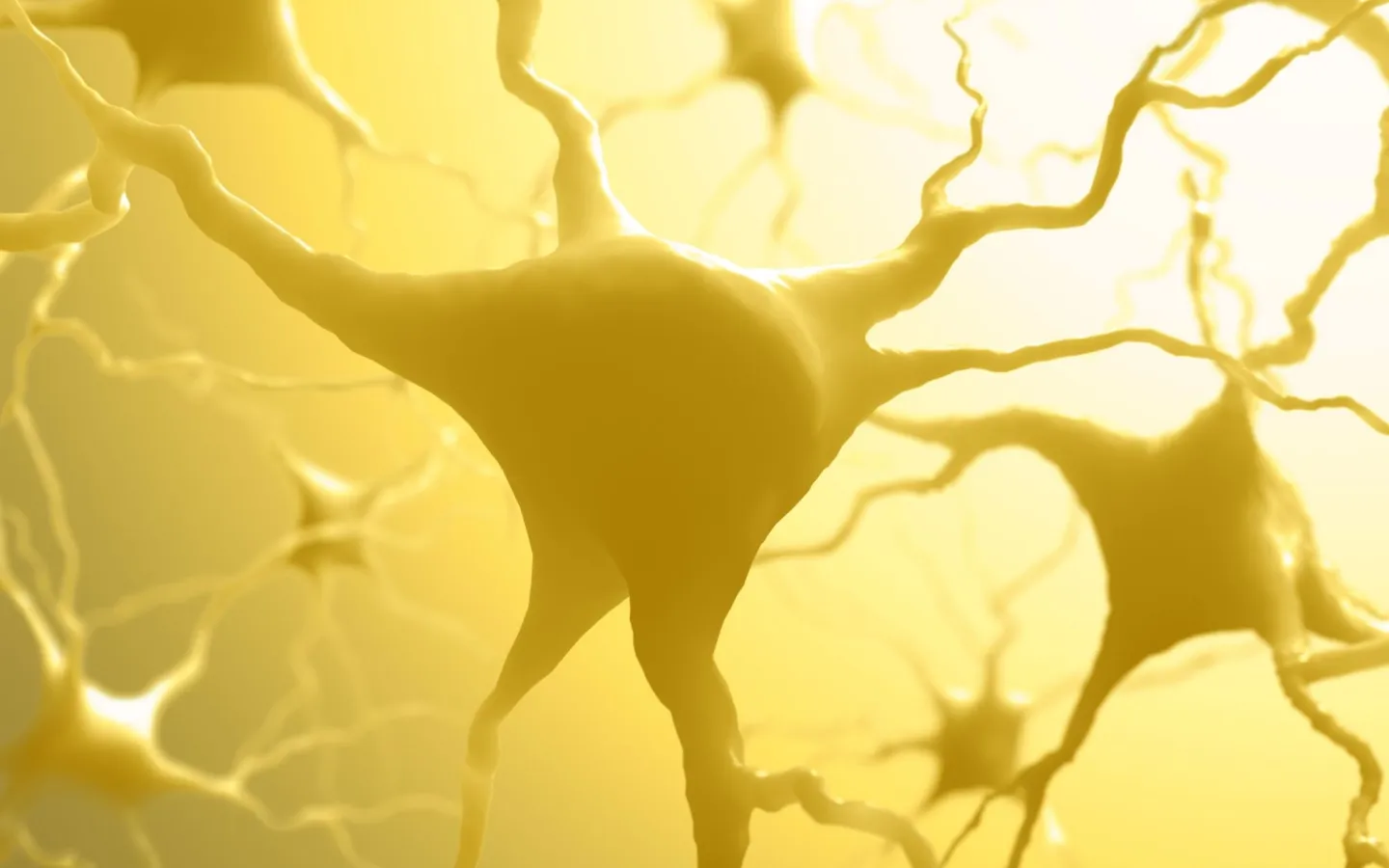
The approach targets astrocytes, star-shaped support cells that normally help maintain the environment around neurons. Under certain conditions, astrocytes can develop into new nerve cells. A protein called polypyrimidine tract-binding protein 1, or PTBP1, normally helps prevent that change by binding to RNA in astrocytes.
Researchers used a nanogel delivery system called Nano-ERASER to carry PTBP1-specific antibodies across the blood-brain barrier. The system was designed to suppress the protein’s activity in the brains of adult mice, including mice used as a model of Alzheimer’s disease.
The treatment’s effects were assessed through several mouse behaviors. Animals with neurodegeneration showed improved nesting scores within a few weeks of injection, according to the report. They also performed better in maze tests, which researchers used to evaluate memory and spatial learning.
The scientists reported that even one injection produced behavioral differences between treated and untreated mice. After two injections, the treated animals were described as showing stronger cognitive performance and greater neuron density in their brains.
The findings address whether suppressing PTBP1 can encourage neural regeneration in living animals, rather than only in cells grown in laboratory dishes. However, the experiment does not establish that the treatment is safe or effective for people with Alzheimer’s disease.
The research team, led by pharmaceutical researcher Peisheng Xu of the University of South Carolina, said the new neurons were able to mature and survive in the treated mice. The work was published in Cell Biomaterials. According to New Atlas, applying the method to human patients remains some way off.