Daily Weird News
← All Categories

Category

Science

11 stories

Bird Flu Raises Fears for Australia’s Small Sea Lion Population
AnimalsScience

Bird Flu Raises Fears for Australia’s Small Sea Lion Population

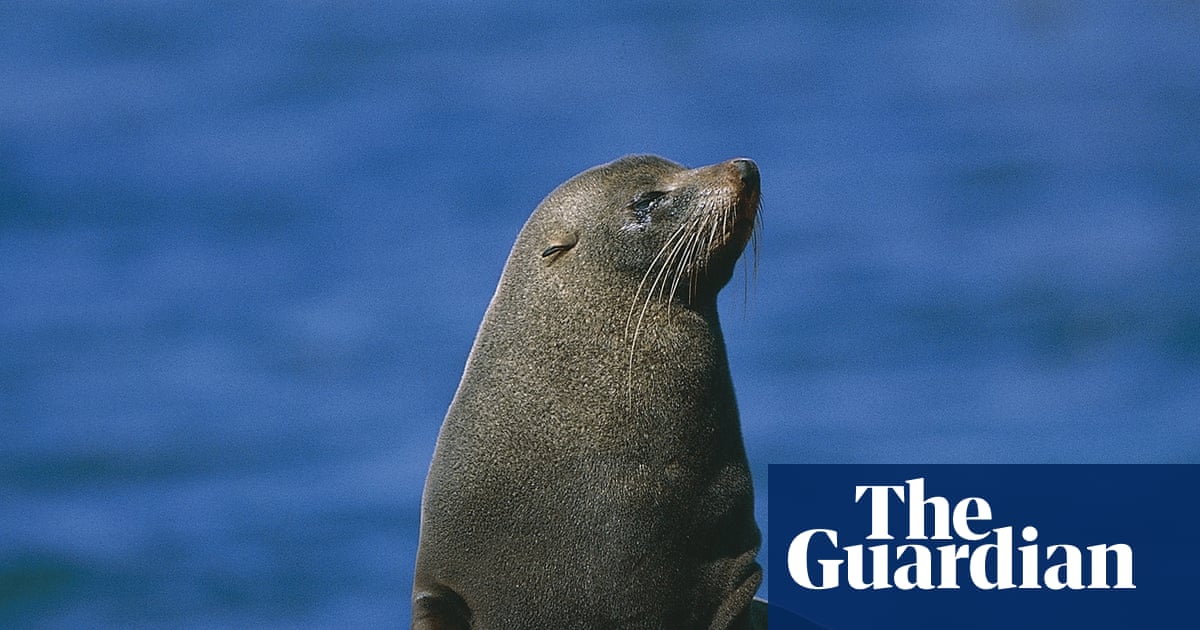
A confirmed H5N1 case in a dead long-nosed fur seal and a second suspected case have prompted warnings about the virus’s potential impact on Australia’s seals and sea lions. Scientists say the country’s estimated 12,000 Australian sea lions could be especially vulnerable.

Read story →
T. rex Skeleton Gus Sets Dinosaur Fossil Auction Record Above $50 Million
Science

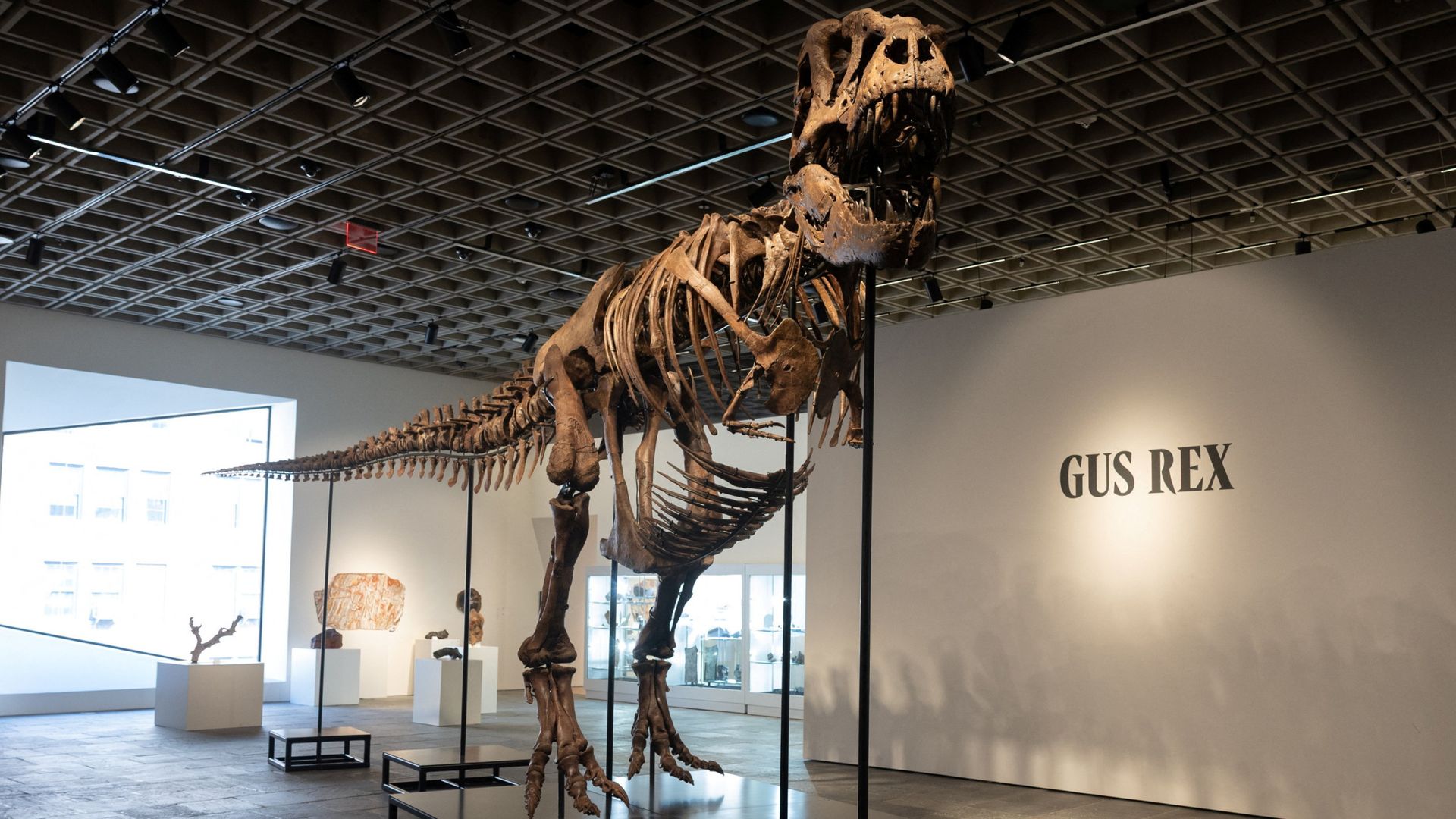
T. rex Skeleton Gus Sets Dinosaur Fossil Auction Record Above $50 Million

A Tyrannosaurus rex skeleton named Gus has become the most expensive dinosaur fossil ever sold at auction. An unidentified buyer paid more than $50 million, or £37.3 million, for the fossil.

Read story →
New Monkey Species With Orange Lips Found in Congo Forest
AnimalsScience

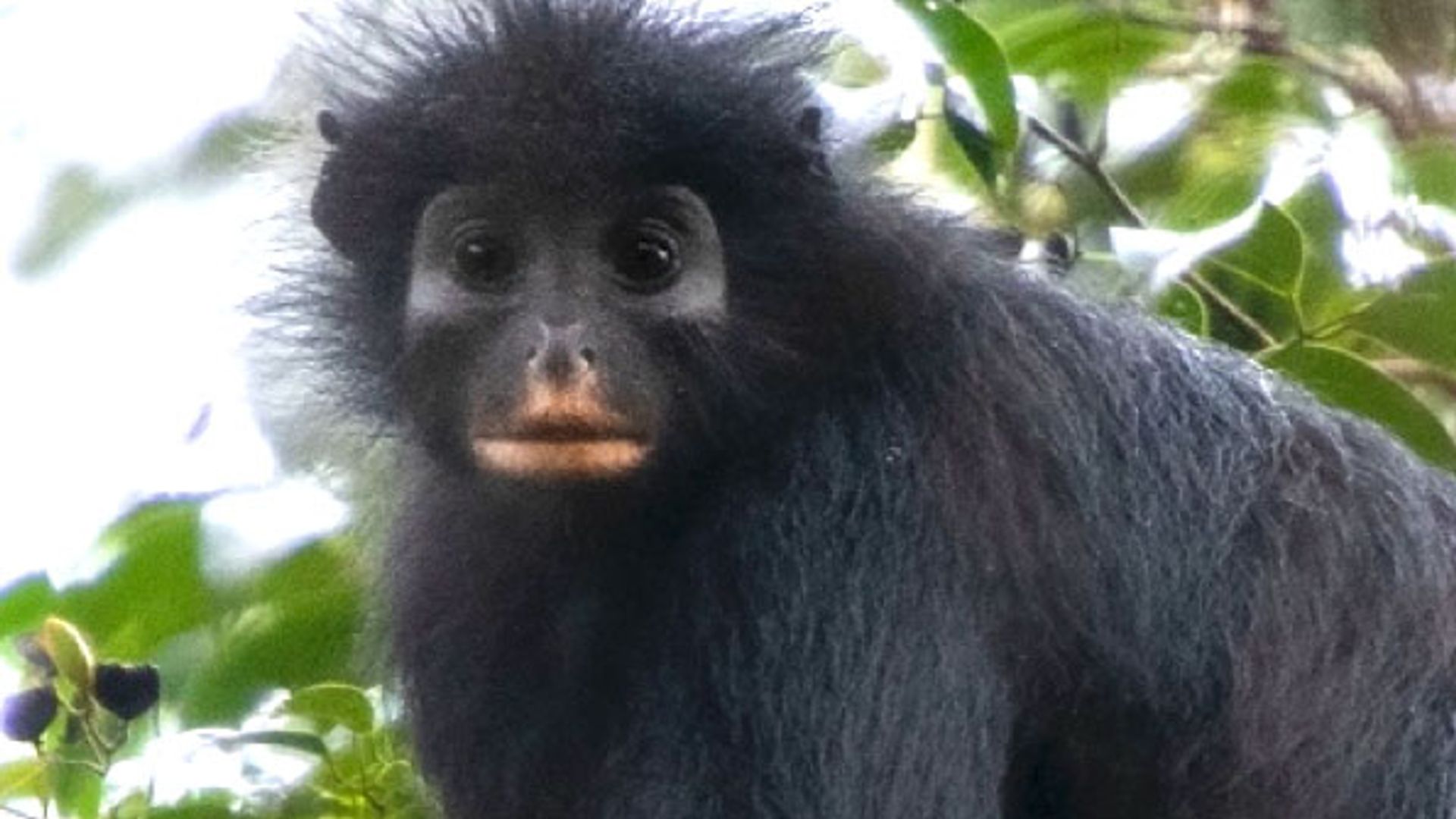
New Monkey Species With Orange Lips Found in Congo Forest

Researchers have reported the discovery of a previously unknown monkey species deep in the forests of the Democratic Republic of Congo. The animal is distinguished by its noticeably orange lips.

Read story →
New Guinea Snake Named for Guns N’ Roses Guitarist Slash
AnimalsScience

New Guinea Snake Named for Guns N’ Roses Guitarist Slash

A newly classified groundsnake from New Guinea has been given the scientific name Lielaphis slashi, honoring Guns N’ Roses musician Slash, whose birth name is Saul Hudson. The nocturnal snake has a red-brown body and cream-colored belly.

Read story →
Rare Half-Male, Half-Female Bobolink Spotted Near Chicago
AnimalsScience

Rare Half-Male, Half-Female Bobolink Spotted Near Chicago

Birdwatchers near Chicago observed a bobolink whose body is divided into male and female halves, a condition known as bilateral gynandromorphism. Experts believe it may be the first documented example of this phenomenon in the species.

Read story →
A 23-Foot Caiman Relative May Have Dominated Miocene South America
Science

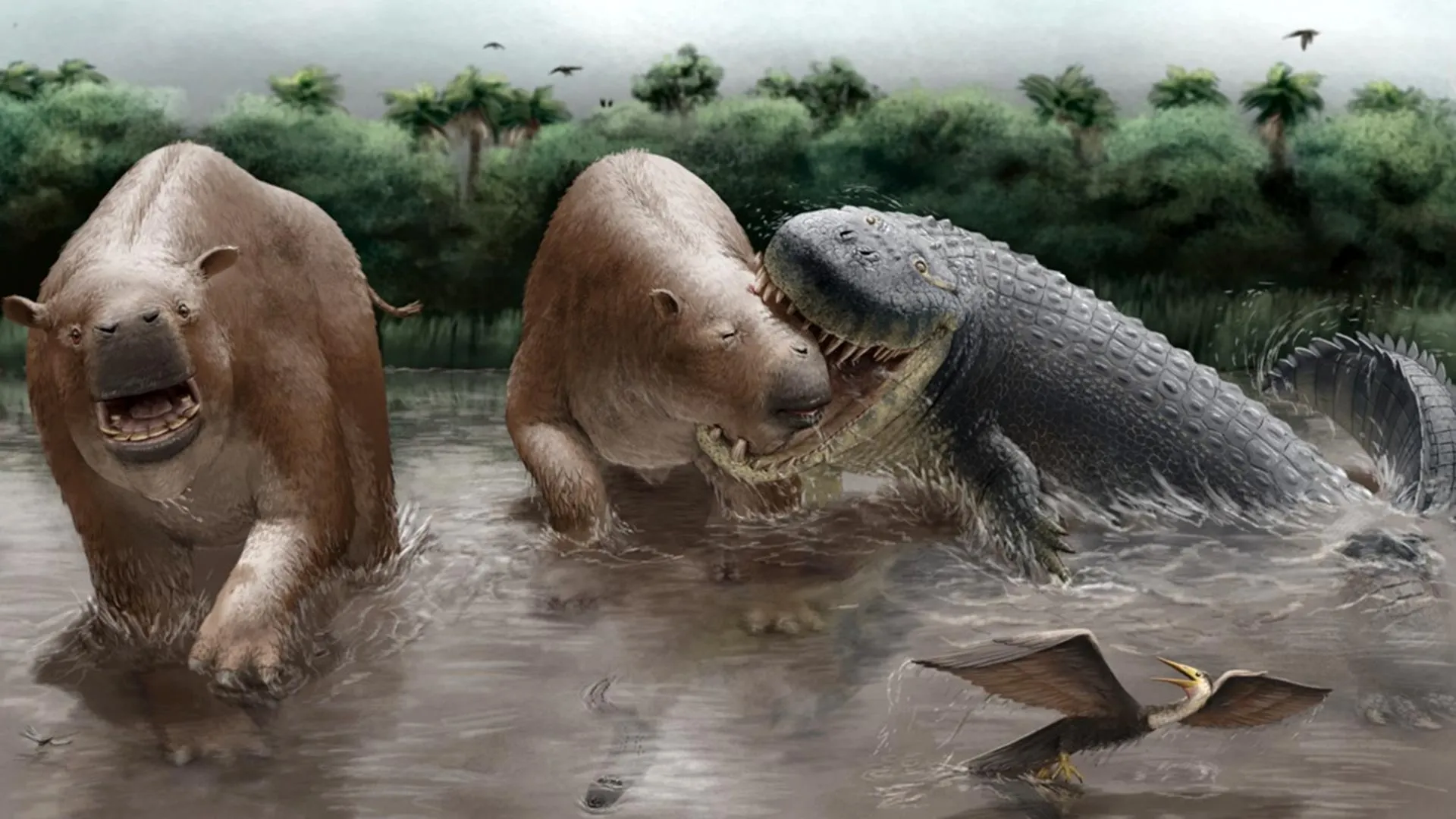
A 23-Foot Caiman Relative May Have Dominated Miocene South America

Fossil bite marks suggest the giant crocodylian Purussaurus neivensis was a major predator in a Miocene ecosystem filled with enormous herbivores. Researchers say its influence may have extended beyond individual hunts to the population sizes of large prey.

Read story →
A 450-Million-Year-Old Fossil Still Has Its Delicate Tube Feet
AnimalsScience

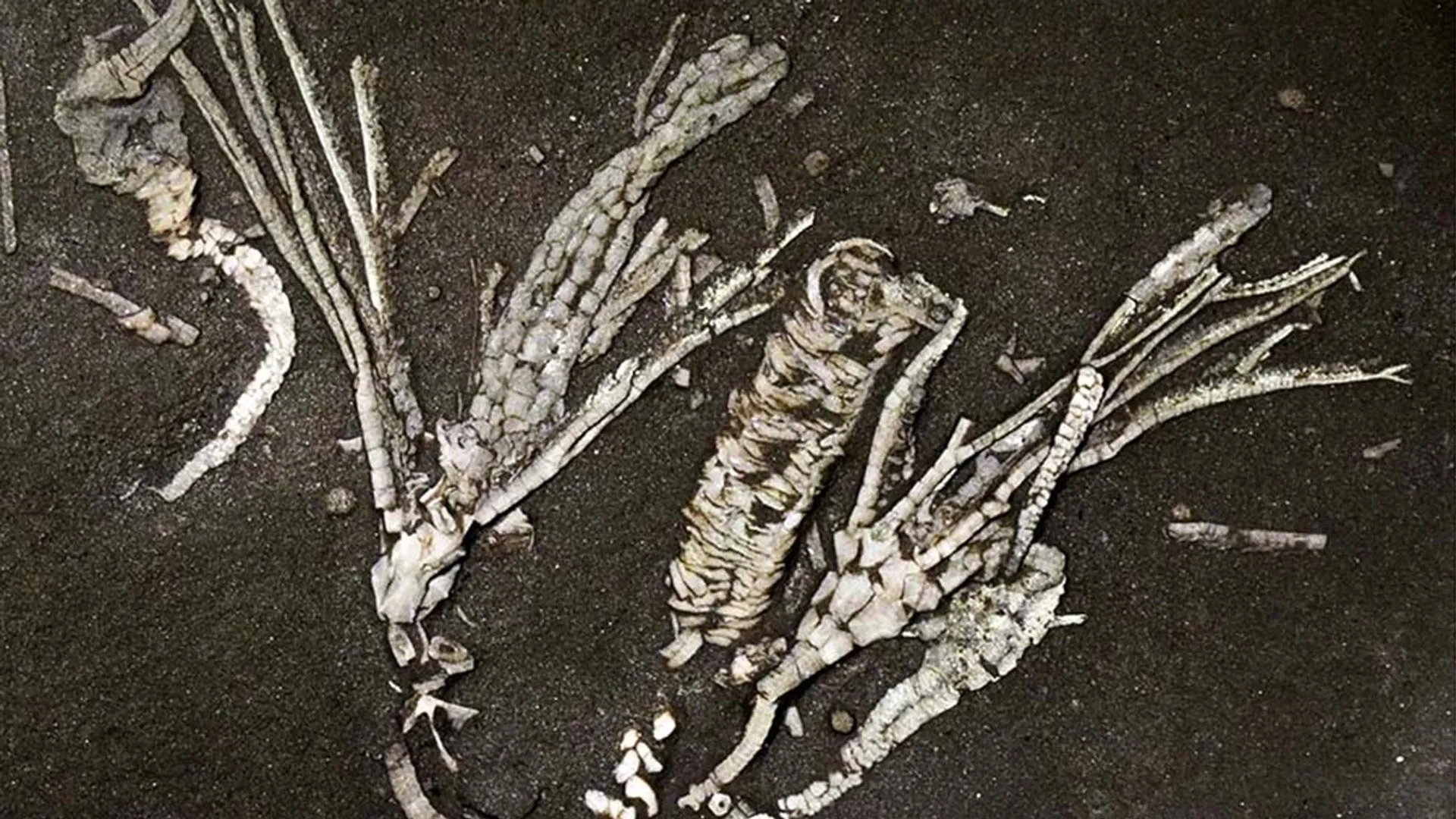
A 450-Million-Year-Old Fossil Still Has Its Delicate Tube Feet

Researchers say a crinoid fossil discovered in a Montréal museum collection preserves soft tissue more than 450 million years after the animal lived. The specimen is only the second known crinoid fossil with soft tissue and the oldest identified so far.

Read story →
Greenland sharks may keep healthy vision for centuries
AnimalsScience

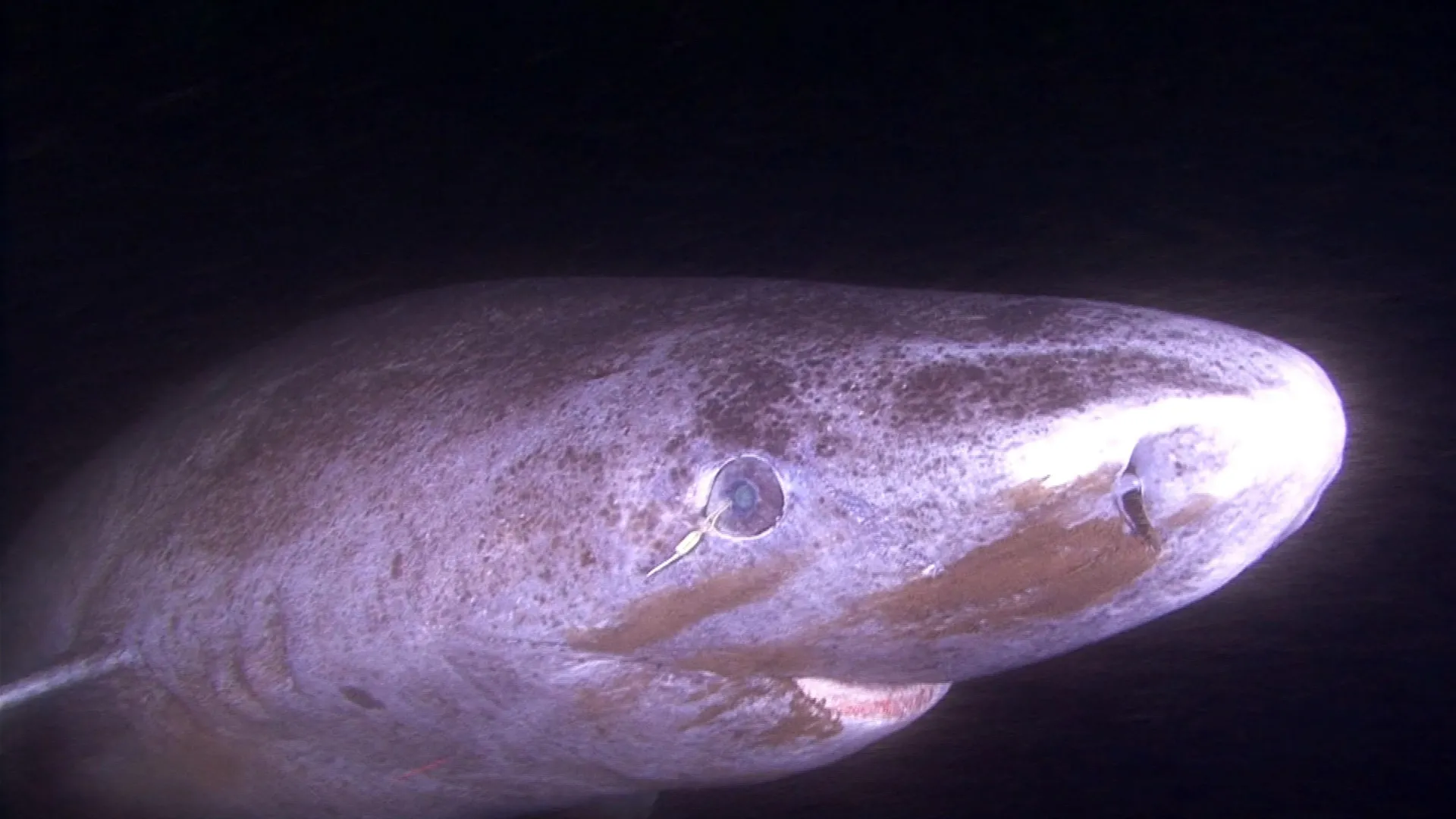
Greenland sharks may keep healthy vision for centuries

A study of Greenland shark eyes found no evidence of retinal cell death and detected active, blue-light-sensitive rhodopsin. The findings challenge the idea that the long-lived Arctic sharks are functionally blind and may offer clues about protecting vision from age-related decline.

Read story →
CERN Makes Quark-Gluon Plasma in Collisions of Small Atomic Nuclei
Science

CERN Makes Quark-Gluon Plasma in Collisions of Small Atomic Nuclei

Physicists working with the ALICE collaboration at CERN have produced quark-gluon plasma using collisions between oxygen-16 and neon-20 nuclei. The results also suggest that the particles emerging from these fleeting events preserve clues about the shapes of the nuclei involved.

Read story →
Heat During Development Can Dull Blue Morpho Butterflies’ Shimmer
Science

Heat During Development Can Dull Blue Morpho Butterflies’ Shimmer

A Smithsonian Tropical Research Institute experiment found that blue morpho butterflies raised under hot conditions developed less-brilliant iridescent wings. The heat also increased deaths among pupae and extended the time they remained in that stage, while the effects on predators and potential mates remain uncertain.

Read story →
Dolphins Show the Strongest Evidence of Calling One Another by Name
AnimalsScience

Dolphins Show the Strongest Evidence of Calling One Another by Name

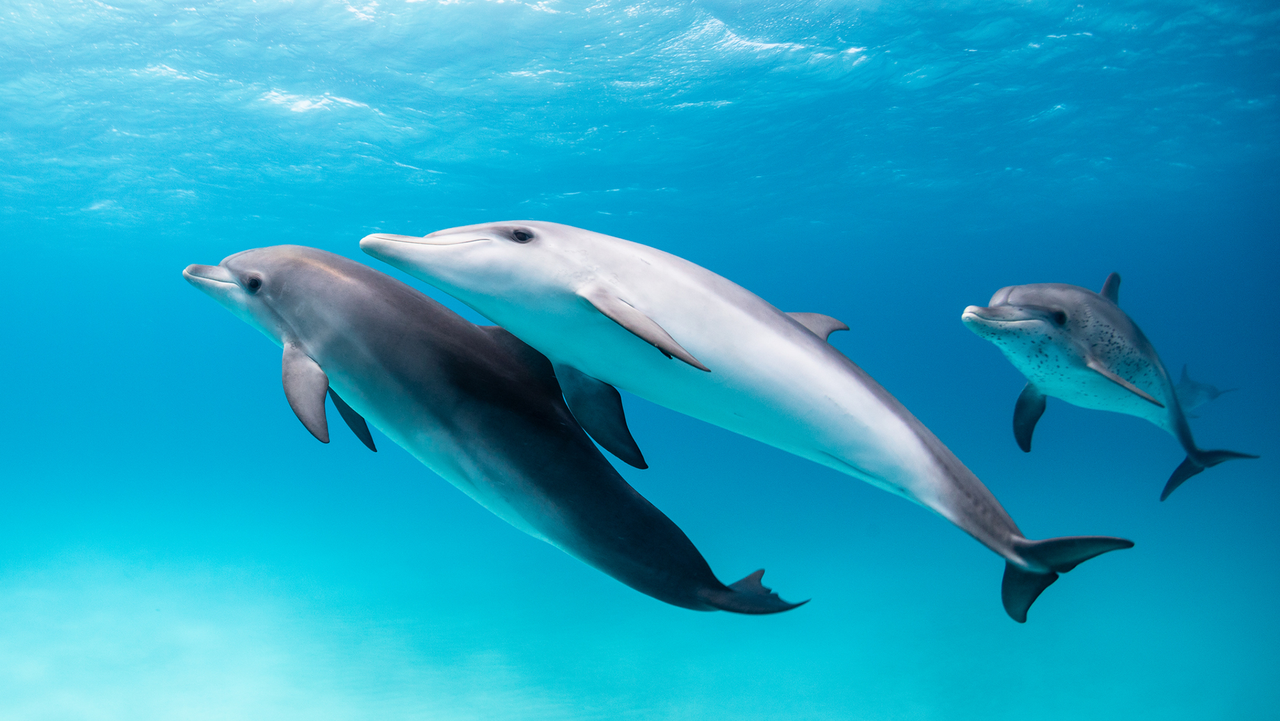
Research suggests bottlenose dolphins use individually distinctive whistles to identify and contact one another, while elephants, parrots and marmosets may use similar vocal labels. Scientists caution that proving an animal call is truly a “name” requires evidence of shared symbolic meaning.

Read story →