
Daily Weird News Report
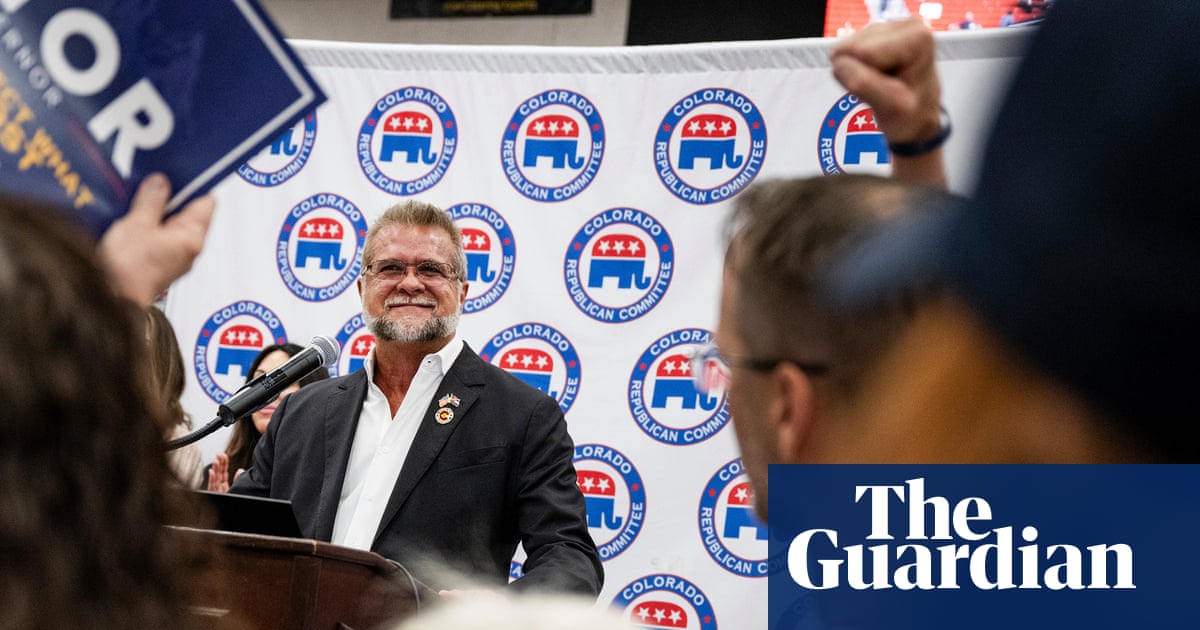
Colorado Republican gubernatorial nominee Victor Marx is linked to a controversial anti-sex-trafficking ministry that has helped finance police work in Florida, including officer salaries, vehicles and tools used to extract data from locked phones, according to reporting by The Guardian.
Marx was chair and president of All Things Possible until his campaign began in October 2025. His campaign manager, former US Army intelligence operative Harry “Buddy” Jericho, has also held senior roles within the ministry and its law-enforcement initiative.
All Things Possible says its mission is to free women and children from sex trafficking “spiritually, emotionally and physically.” The organization has described overseas operations in countries including Afghanistan, Cambodia, Iraq, Nigeria and the West Bank. Marx’s 2024 memoir says some missions involved paramilitary teams and military equipment, while the ministry stated that it did not accept US government money for that work.
The ministry later shifted toward domestic partnerships with law-enforcement agencies. A 2025 proposal described the Protecting Children’s Innocence taskforce as an operation that could assist with suspect tracking, warrant preparation and case documentation, while private donors supplied surveillance equipment, software and training.
Jericho told The Guardian that early documents considered models in which personnel might gain status through cooperating agencies, but said the taskforce ultimately moved away from that approach. All Things Possible chief executive Chaz Yandall said no taskforce members serve as sworn, auxiliary or special-deputy officers.
However, memorandums of understanding with sheriff’s offices in Leon and Wakulla counties gave the taskforce a role in selecting or approving personnel funded through the agreements. The documents also required reporting on measures including warrants, arrests, devices examined, convictions and prison sentences, while stating that the arrangements were not intended to interfere with agencies’ independent operations.
A Leon County budget amendment recorded $210,000 for a detective’s salary and benefits, training, a vehicle, a forensic workstation and a dedicated internet connection. Licenses for GrayKey and Cellebrite phone-extraction tools were listed as still to be determined. In Wakulla County, the ministry agreed to fund an entire detective position.
Elizabeth Joh, a University of California, Davis law professor, told The Guardian she had not encountered a similar arrangement and questioned how publicly employed officers would remain accountable to the public when their work was privately financed.
The ministry said it is separate from Marx’s campaign. Marx did not respond to The Guardian’s request for comment, while Jericho replied on his behalf and Yandall responded for the ministry.

/https://tf-cmsv2-smithsonianmag-media.s3.amazonaws.com/filer_public/47/a8/47a8e50d-723c-4887-9823-98217843639a/golden-gate-bridge.jpg)