
Daily Weird News Report
South African police have arrested two Thai nationals in separate cases involving the alleged attempted smuggling of parrot eggs through Johannesburg’s OR Tambo International Airport, according to the country’s environment ministry, as reported by The Guardian.
A 50-year-old Thai national was arrested on 20 August after officials allegedly found 50 bird eggs inside a homemade incubator carried in a hand-luggage bag. Preliminary investigations indicated that the eggs came from parrot species listed under the Convention on International Trade in Endangered Species of Wild Fauna and Flora, or Cites. The ministry did not identify the species.
The second arrest involved a 23-year-old Thai national, who was detained at the same airport on 16 July. Authorities allege that he was attempting to transport 418 parrot eggs in two homemade incubator bags.
The arrests followed what the ministry described as a joint intelligence-led operation involving its Environmental Management Inspectorate—known as the “Green Scorpions”—along with police intelligence, border and endangered-species units. Thailand’s embassy in South Africa had not immediately commented, according to the report.
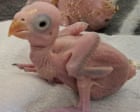
Staff at the National Zoological Garden in Pretoria are now incubating the seized eggs. The ministry said several had successfully hatched, with the resulting chicks receiving veterinary and husbandry care intended to improve their chances of survival.
Authorities warned that illegally collecting and trafficking parrot eggs can threaten wild bird populations and raise animal-welfare concerns. The ministry said eggs transported in improvised incubation devices may be exposed to conditions that reduce their viability and endanger developing embryos and hatchlings.
South Africa is also dealing with illegal trafficking involving rhino horn, tiger bones, abalone and succulent plants. The illegal export of species protected under Cites can carry a fine of up to 10 million rand—reported as approximately £460,000—or a prison sentence of up to 10 years, or both.

/https://tf-cmsv2-smithsonianmag-media.s3.amazonaws.com/filer_public/56/6e/566e09db-4de0-4091-a22a-f6f7d0f9b35a/foto_museo_de_villena_1.jpeg)