
Daily Weird News Report
A cookie made partly from discarded plastic and crop waste is at the center of a NASA-funded research project exploring an unusual way to produce food from waste carbon.
According to New Atlas, researchers from Southern Illinois University Carbondale genetically modified several yeast species to process degraded polyethylene terephthalate, or PET, along with corn stalks and other organic material. The waste was first broken down into a form the microbes could digest.
One engineered strain of Saccharomyces cerevisiae was designed to produce vanillin, a flavoring compound, from ferulic acid. Another, Rhodosporidium toruloides, was modified to use ethylene glycol as a carbon source and produce beta-carotene, a precursor to vitamin A.
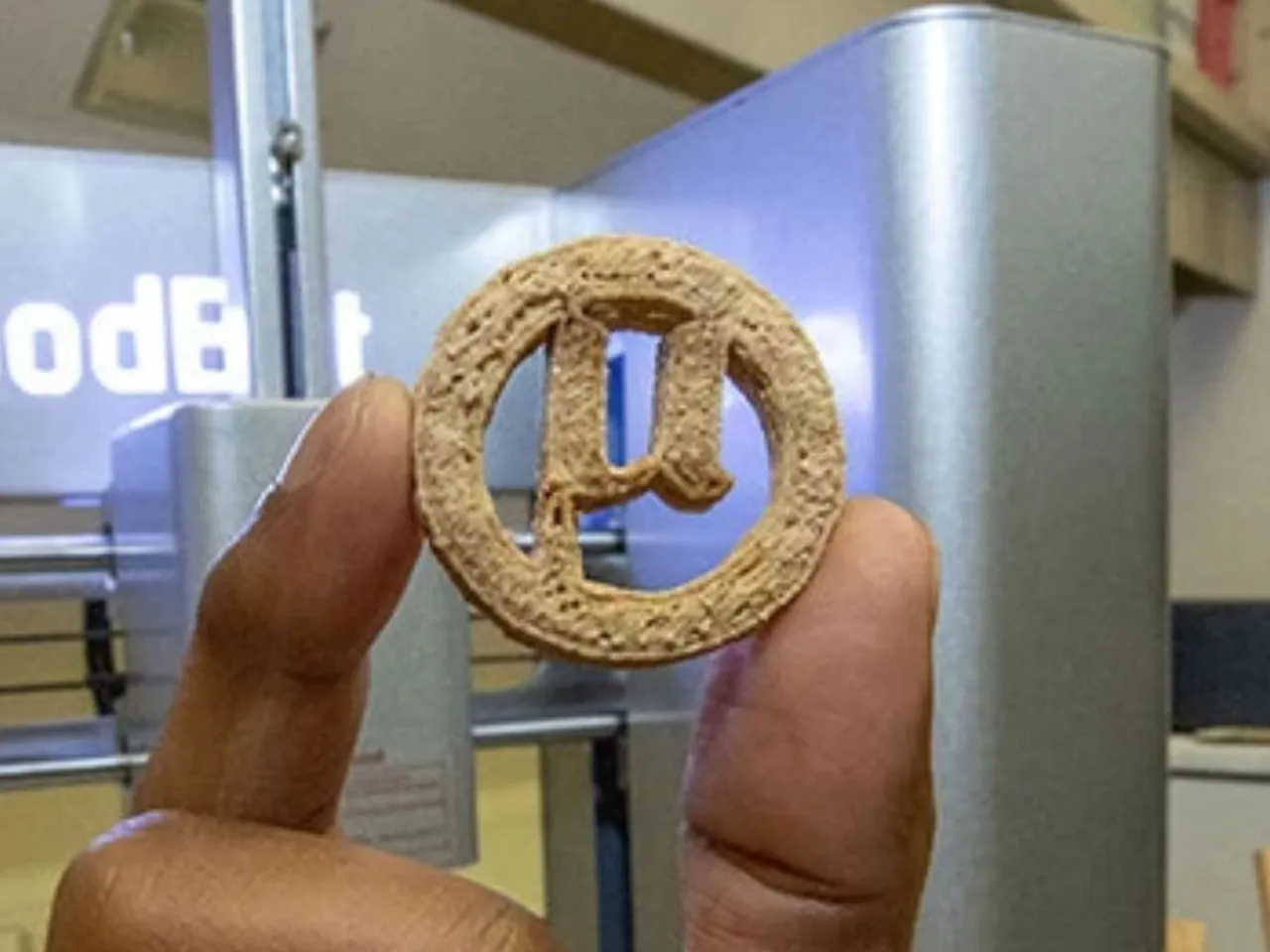
The resulting microbial process produced a mash containing proteins and fats. The researchers combined it with starch, fiber and a small amount of sweetener before pressing it into a snack. They also used a 3D printer to give the cookie a small branded micro-symbol and named the product “µBites,” or “micro-bites.”
The work was presented at the Fall Meeting of the American Chemical Society. Researcher Lahiru Jayakody said the project was motivated by two large challenges: rising food demand and the continuing accumulation of plastic waste. The team also sees potential relevance for future missions in which food supplies and waste-handling options could be limited, including missions involving the Moon and beyond.
The cookie has not been approved for people to eat, so its safety and practicality as a food remain unestablished. The researchers also face broader questions about whether collecting and processing plastic could be economical and whether consumers would accept food made using plastic-derived material.
For now, the project demonstrates a laboratory approach rather than a ready-made food product. Its central idea is to use engineered microbes to convert waste materials into ingredients that could, after further evaluation and approval, become part of a protein-rich snack.


