
Daily Weird News Report
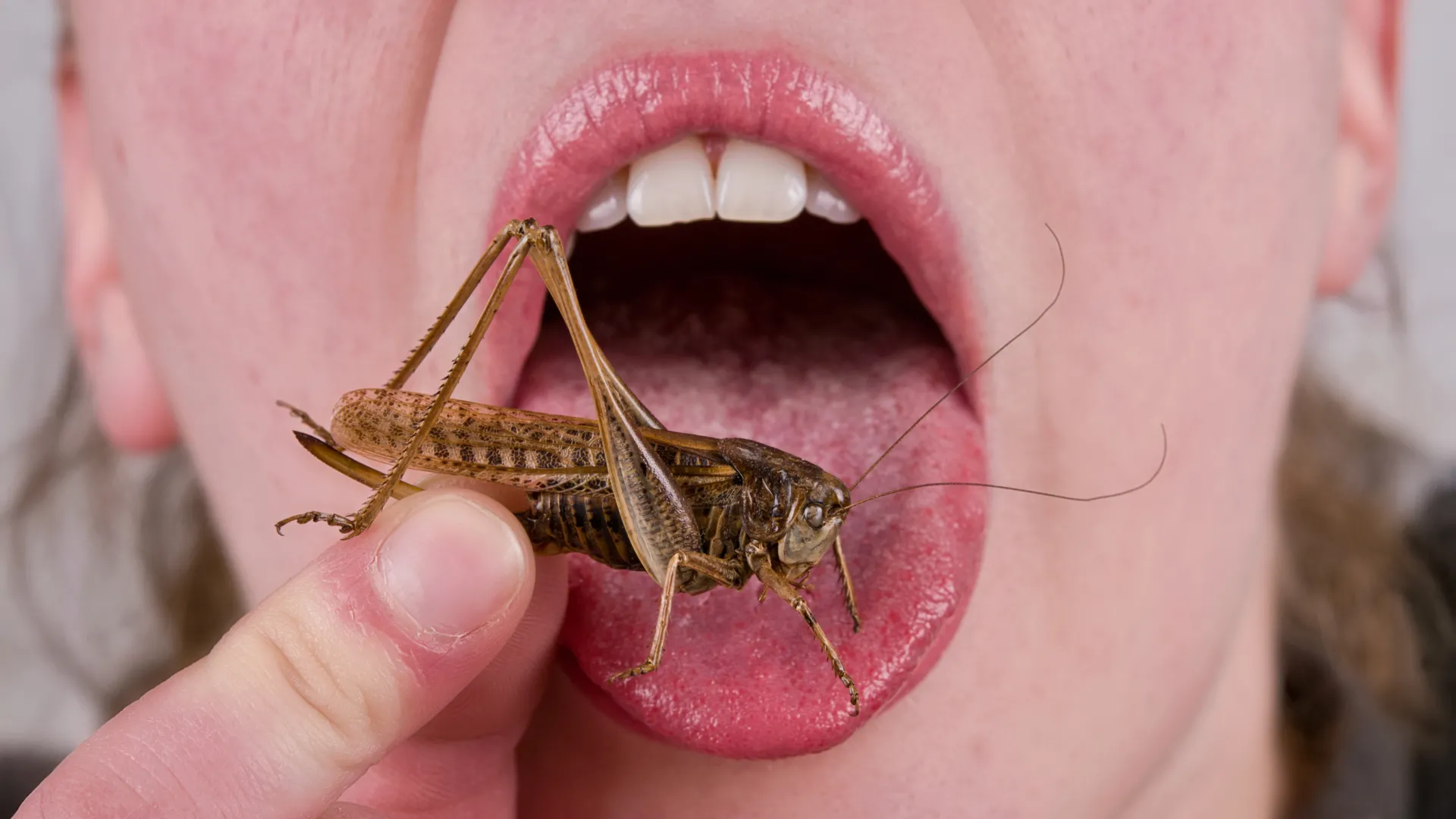
A reluctance to eat insects may be far older than modern Western food customs. Researchers from Spain’s Institute of Evolutionary Biology analyzed ancient tooth deposits and genetic data, finding signs that insect consumption varied substantially across human populations and may have declined in northern Eurasia thousands of years ago.
According to the research, published in Science Advances and described by the Spanish National Research Council, the team examined 745 samples of dental calculus from anatomically modern humans. Some samples dated back as far as 33,000 years. Because dental tartar can preserve traces of food-related DNA, the material offered clues about ancient diets.
The evidence indicated that modern humans in northern Eurasia did not regularly consume insects. Their genes involved in digesting chitin—the tough material forming insect exoskeletons—also included variants associated with reduced digestive capacity. The researchers said this genetic pattern has persisted for approximately 9,000 years, around the period when agriculture emerged.
The findings looked different in Neanderthal remains. Their dental calculus contained considerably more insect DNA, including especially abundant traces of mosquitoes and other members of the fly group. The researchers said this supports the possibility that Neanderthals regularly consumed animal carcasses containing fly larvae. It also lends support to a hypothesis that some carcasses may have been kept in ponds or marshy environments where mosquitoes laid eggs. These interpretations remain explanations supported by the evidence, rather than direct observations of Neanderthal behavior.
Neanderthal chitinase genes appeared to support more efficient insect digestion. A similar pattern was found in the only Denisovan specimen included in the analysis. The study also found that ancient and modern populations living closer to tropical regions were more likely to carry variants linked to higher production of enzymes that break down chitin.
Researchers associated that geographic pattern with the greater abundance and year-round availability of social insects such as termites and locusts in tropical environments. As humans spread toward higher latitudes, the expression of these digestive enzymes gradually declined.
The researchers suggest that ecology, alongside cultural and religious influences, may have helped reduce insect eating in Europe. Modern processing and insect farming could make insects easier to use as food by reducing the need to consume large amounts of exoskeleton material, and the research group is now studying how insects become domesticated.

/https://tf-cmsv2-smithsonianmag-media.s3.amazonaws.com/filer_public/ce/3a/ce3ad4ec-2ba5-4000-badb-8ce3dc4cdf41/metal.png)
