
Daily Weird News Report
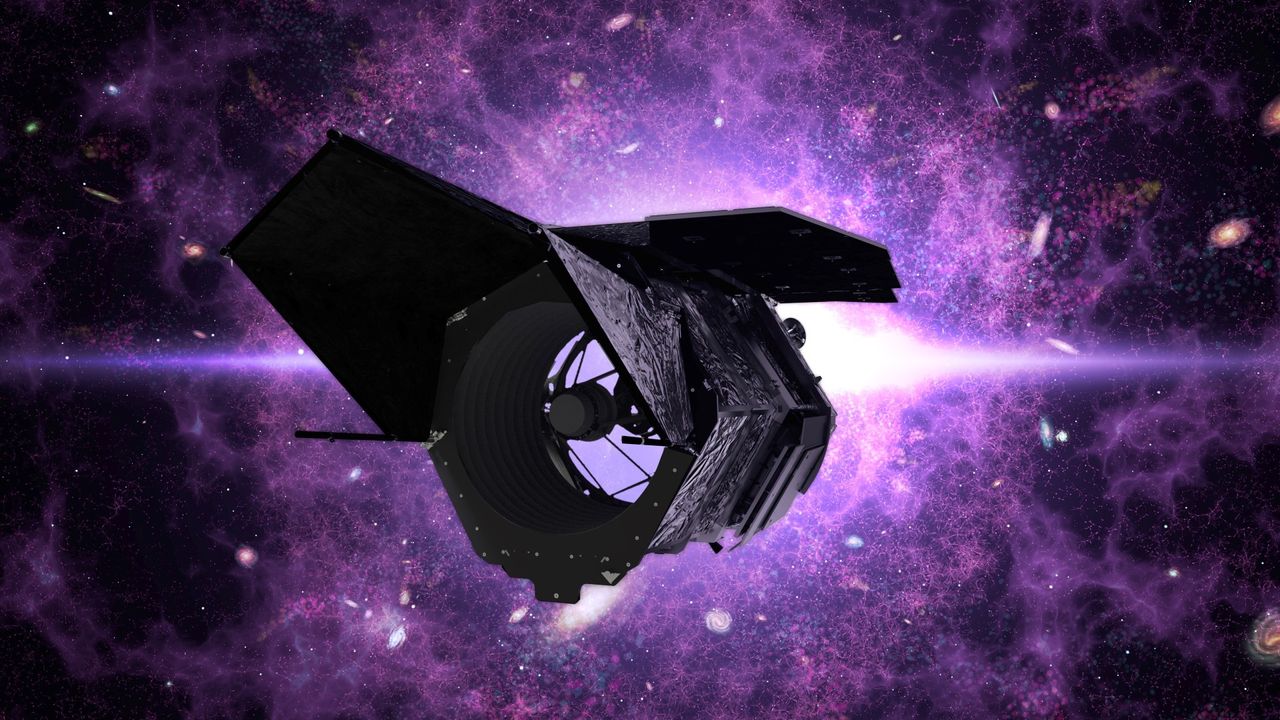
NASA’s next-generation Roman Space Telescope has an unusual ancestry: part of its central optical system was originally built for a U.S. spy-satellite program.
The telescope’s Optical Telescope Assembly contains its primary mirror, nine additional mirrors, support structures and electronics. Much of the optical hardware traces back to the National Reconnaissance Office’s Future Imagery Architecture program, which began in 1999 and involved Boeing-designed optical and radar imaging satellites.
The effort expanded amid heightened national-security concerns after the September 11 attacks, but it was eventually canceled in 2005 after billions of dollars in cost overruns. The New York Times later described the program as one of the most expensive failures in the history of American spy-satellite projects.
NASA ultimately found a use for two telescopes left over from the program. According to Space.com, the NRO donated the unused instruments to NASA in 2012. Their optics were reported to be comparable to those of the Hubble Space Telescope, offering NASA a potentially valuable starting point for what was then known as WFIRST and is now the Roman Space Telescope.
The source also reports that NASA had announced plans to reuse the spy-satellite technology in 2011, following a 2010 National Academy of Sciences astronomy and astrophysics survey that identified the future Roman mission as a top priority. The supplied reporting does not explain the apparent timing difference between that announcement and the later-described donation.
The donated hardware was not ready to fly as delivered. NASA had to replace electronics removed by the NRO, modify the telescope and construct the rest of the observatory. Mission team members also faced restrictions when learning about the equipment: the Washington Post reported at the time that substantial portions of the available information had been blacked out.
Whether the reuse ultimately saved money remains uncertain. Each telescope was said to be worth at least $250 million, but experts disagreed over whether adapting the old hardware would reduce costs or create additional expenses. Even so, Roman’s development has remained relatively close to its planned schedule and budget compared with other major space-telescope projects.
Roman is scheduled, according to the report, to launch aboard a SpaceX Falcon Heavy on Aug. 30. NASA still retains the second telescope donated by the NRO, although the agency has not said what it plans to do with it.
/https://tf-cmsv2-smithsonianmag-media.s3.amazonaws.com/filer_public/5e/8e/5e8ec5ec-bf1c-4f6c-b604-7e1ed6692863/island-archives-manuscript-21-of-25-1920x1280.jpg)