Daily Weird News Report
A Sydney man convicted over anti-Israel graffiti and a vehicle fire has been denied parole for a second time, despite a Supreme Court ruling that sharply criticized how his case was handled.
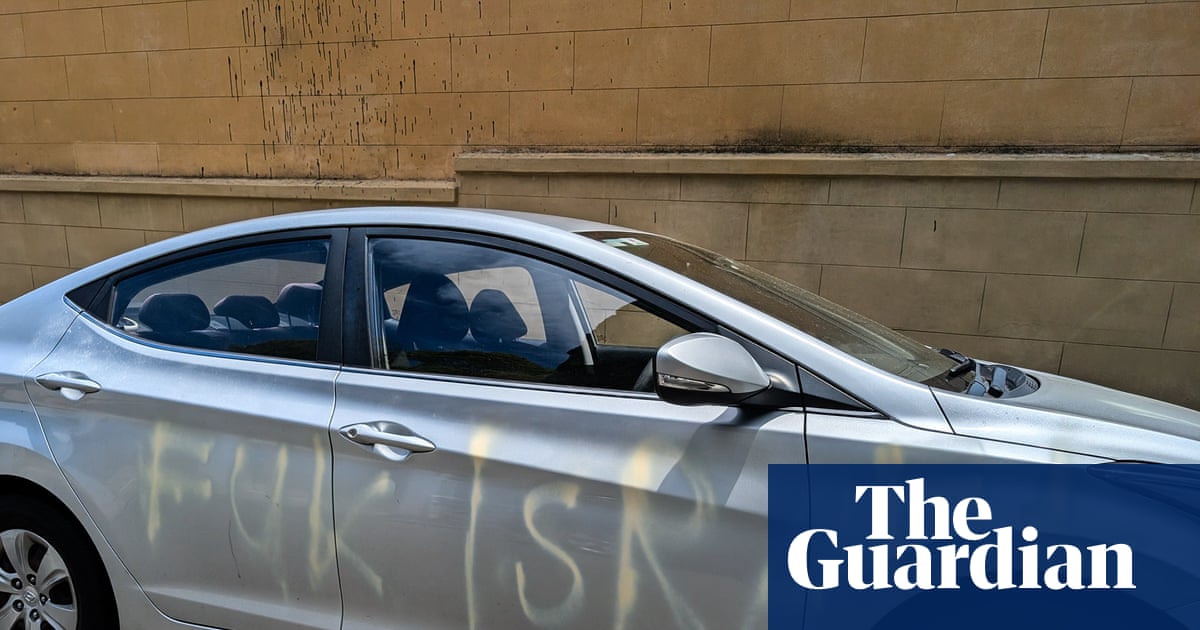
Mohommed Farhat, 22, pleaded guilty to 15 property-related offences connected to vandalism in Woollahra in November 2024. The offences included spray-painting “Fuk Israel” on cars and setting another vehicle alight. He had been expected to leave prison on parole in December after serving 10 months, but that release was stopped following an intervention by New South Wales Commissioner for Corrective Services Gary McMahon.
At a parole hearing in March, McMahon argued that Farhat’s conduct reflected extremist and antisemitic behavior. The parole authority accepted that argument and ruled Monday that Farhat’s offending showed “deep-seated adherence” to an extremist ideology of an antisemitic character. It also rejected his explanation that he had been paid to carry out the vandalism and did not accept his claimed lack of understanding of the phrases used.
The decision was issued shortly after Supreme Court Justice Desmond Fagan delivered a critical ruling in a separate proceeding. Fagan found there was an insignificant risk that Farhat, whom he described as having limited intellect, would commit a serious terrorism offence. He also concluded that authorities had wrongly characterized the graffiti as antisemitic rather than political commentary directed at a foreign state.
Fagan accepted that Farhat had been paid to undertake the vandalism and said the case appeared to be a serious miscarriage of justice. He further said it would be unsound for the corrective services commissioner to make terrorism-risk arguments without consulting specialist police. According to the judgment, counter-terrorism officers had determined three weeks after Farhat’s arrest that he was not ideologically motivated.
McMahon acknowledged during budget estimates that he had not consulted specialist police before making his arguments and described his intervention as uncommon. He said the information available to him at the time indicated that Farhat posed a significant risk to the community.
The state had also sought a one-year supervision order containing 55 conditions under the Terrorism Act, but Fagan rejected that application. The New South Wales attorney general is seeking advice about a possible appeal. Farhat is now due to complete his full sentence in October without parole.