Daily Weird News Report
Europe’s SMART-1 spacecraft concluded an unusually long lunar mission on Sept. 3, 2006, by making a deliberate crash into the moon.
The European Space Agency probe had launched in 2003 as the first mission in its Small Missions for Advanced Research in Technology program. Its main purpose was to test solar electric propulsion, an engine system that used sunlight to power an electrically driven xenon engine. At the time, SMART-1 was only the second spacecraft to test the technology, after NASA’s Deep Space 1.
SMART-1 also carried instruments for studying the moon. During nearly two years in lunar orbit, it mapped the surface, examined its mineral composition and searched for infrared indications of water ice. Researchers hoped the observations would contribute to a better understanding of the moon’s geological history.
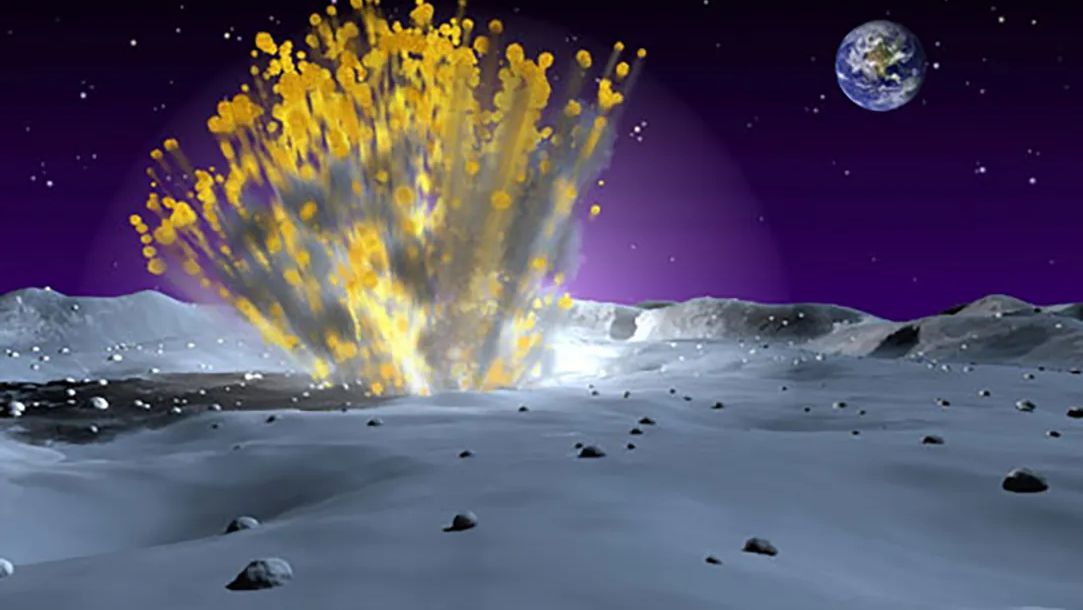
The impact itself was part of the scientific plan. Astronomers used telescopes on Earth to watch for the flash produced when the spacecraft struck the lunar surface, seeking information about the mechanics of impacts similar to those caused by meteoroids.
SMART-1 hit the moon at about 4,473 mph (7,200 kph) in a region called the Lake of Excellence. The spacecraft had originally been expected to crash in September 2005, but a series of engine maneuvers extended the mission by about a year. A later maneuver used up the probe’s remaining xenon and added several more weeks.
An Earth-based telescope recorded the impact flash, but no spacecraft in lunar orbit observed the collision directly. It took another 11 years for NASA’s Lunar Reconnaissance Orbiter to photograph the site. Images taken in 2017 showed a crater slightly more than 13 feet (4 meters) across, along with a gouge measuring more than 65 feet (20 meters) long.
Although SMART-1 ended in a crash, its propulsion demonstration had a continuing legacy. Similar solar electric xenon systems were later used on missions including BepiColombo to Mercury, NASA’s Psyche asteroid mission, Dawn and the DART asteroid-impact mission.